
Designing Gova : Simplifying ID Verification in Nigeria
With identity verification being a critical challenge in Nigeria, Gova was designed as a user-friendly gateway that gives agents, individuals, and businesses a trustworthy way to complete real-time checks.
March 2023 – April 2023
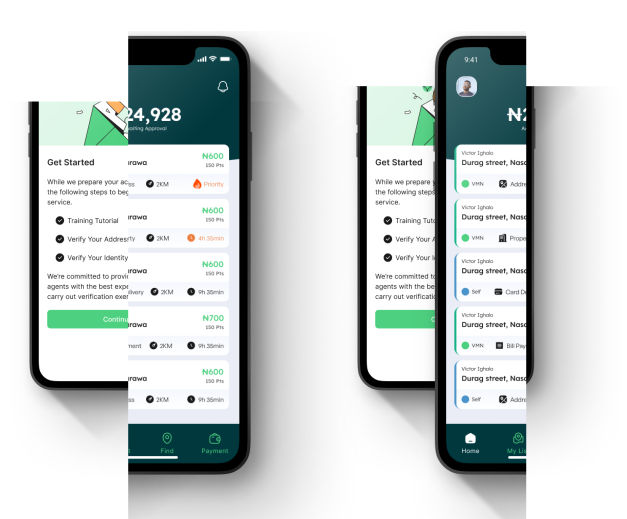
Project Highlights
Team
verify me, Lagos, Nigeria – FinTech
freelance product designer, collaborating with a design partner.
My Contributions
- User Research
- UI/UX Design
- Strategy & Structure
- User acceptance testing
Contributors
- 3 Engineers
- 2 UI/UX Designers
- Project Manager
- Cyber Security Analyst
Platform
Mobile
Setting the Stage: A Nation's Identity Crisis
In Nigeria, verifying personal identity is more than a technical hurdle—it’s a systemic challenge. Fragmented databases, inconsistent protocols, and widespread distrust in digital systems make even basic verification tasks feel like navigating a maze.
Gova emerged with a bold mission: to make real-time identity verification seamless, secure, and accessible. As a freelance Product Designer collaborating with a design partner, I joined this mission to craft a product that could restore trust and bring clarity to a broken process.
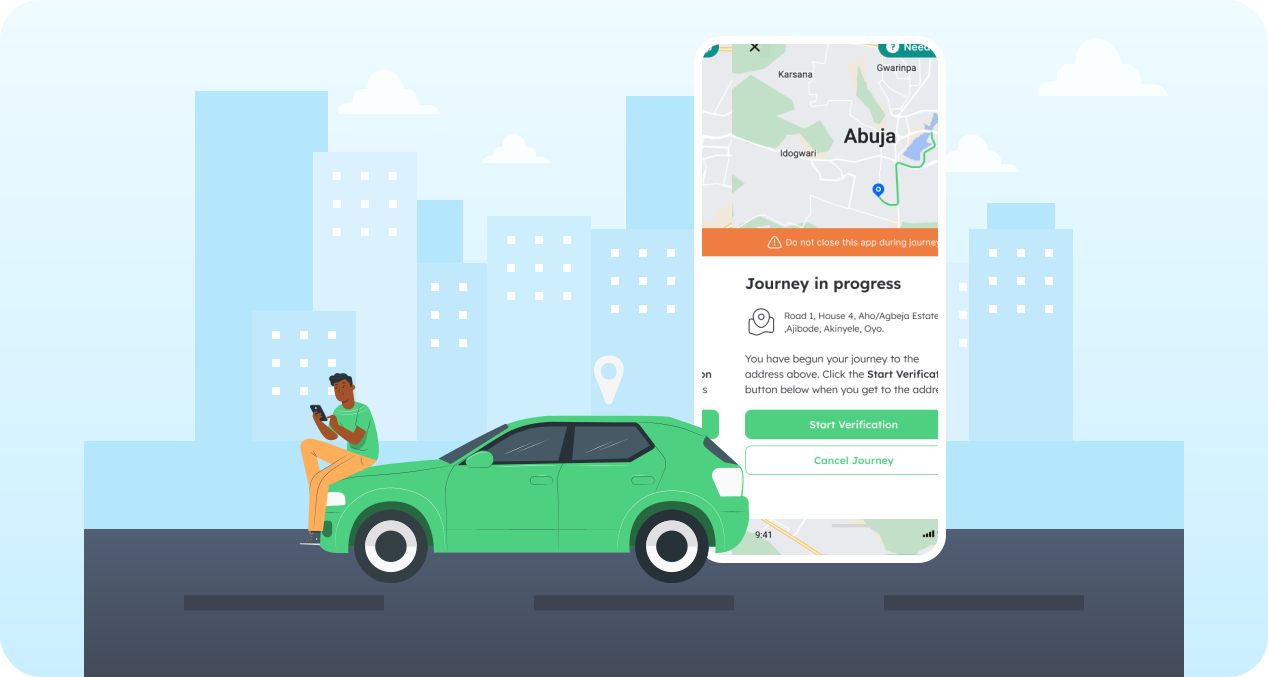
The Challenge: Untangling the Knot
Nigeria's identity verification landscape in 2023 was characterized by significant challenges, including fragmented systems, limited digital infrastructure, and a high prevalence of fraud. These issues hindered access to essential services and posed risks to security and trust.
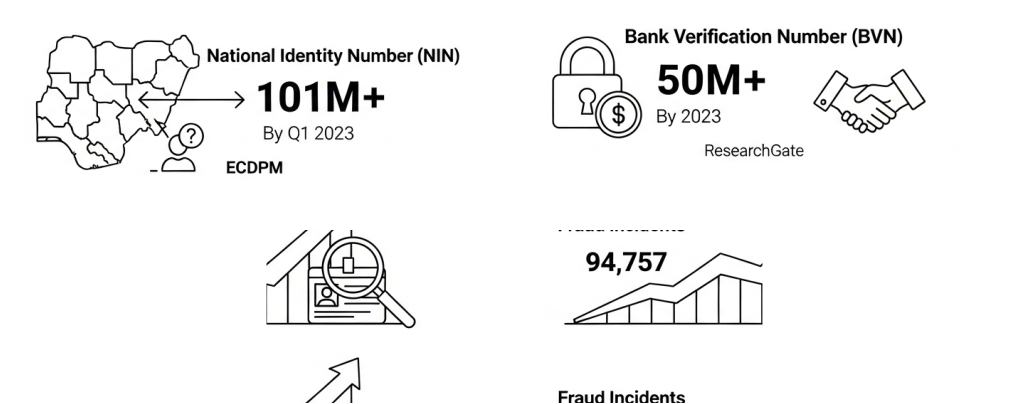
Key Challenges of Identity Verification in Nigeria (2023)
- Fragmented Systems: Multiple ID systems (NIN, BVN, voter registration) operate independently, causing inefficiencies.
- Limited Digital Infrastructure: : Poor internet access and low technology adoption slow down digital verification, especially in rural areas.
- High Fraud Incidence: Counterfeit and forged identity documents remain common, leading to widespread fraud.
Our Goal was simple!
Design a user-friendly gateway that streamlines Personal Identity Data (PID) verification for agents, individuals, and businesses—without compromising speed or security.

My Process
My process is iterative, user-centered, and collaborative. I move from research and problem definition through ideation and design, validating with users along the way, and supporting implementation to ensure the final product truly works for the people it’s built for.
Research & Insights: Listening Before Designing
To build a solution that truly served its users, we dove deep into research:
To build a product that truly resonates, I focused on understanding the expectations, fears, and motivations of potential users. We asked targeted questions to 10 users to uncover what really matters to agents, individuals, and businesses using VerifyMe.Core Questions below:
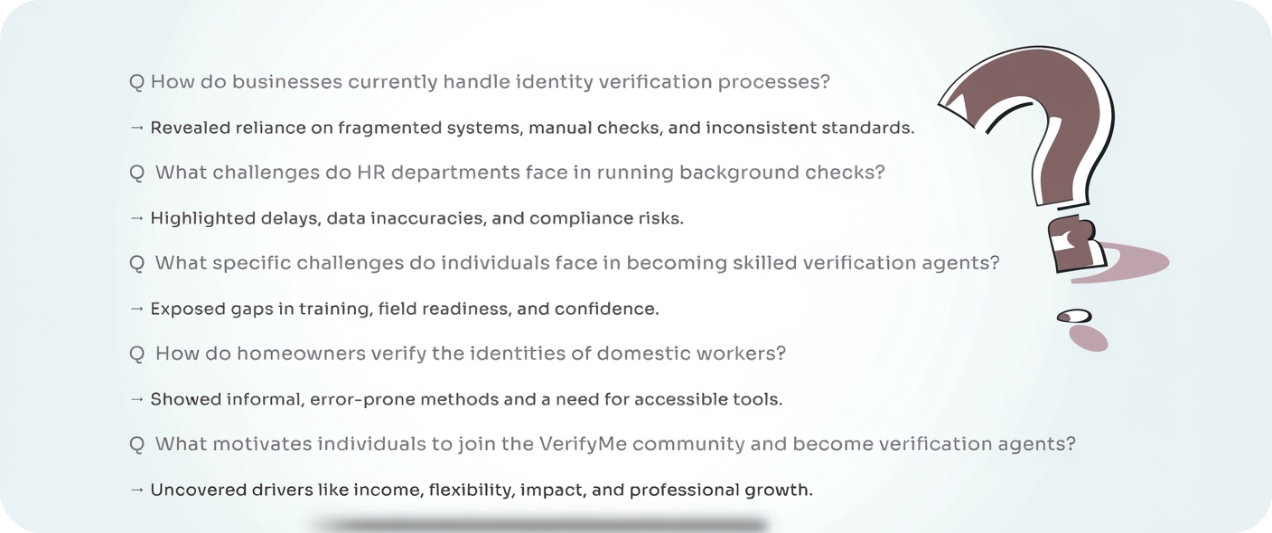
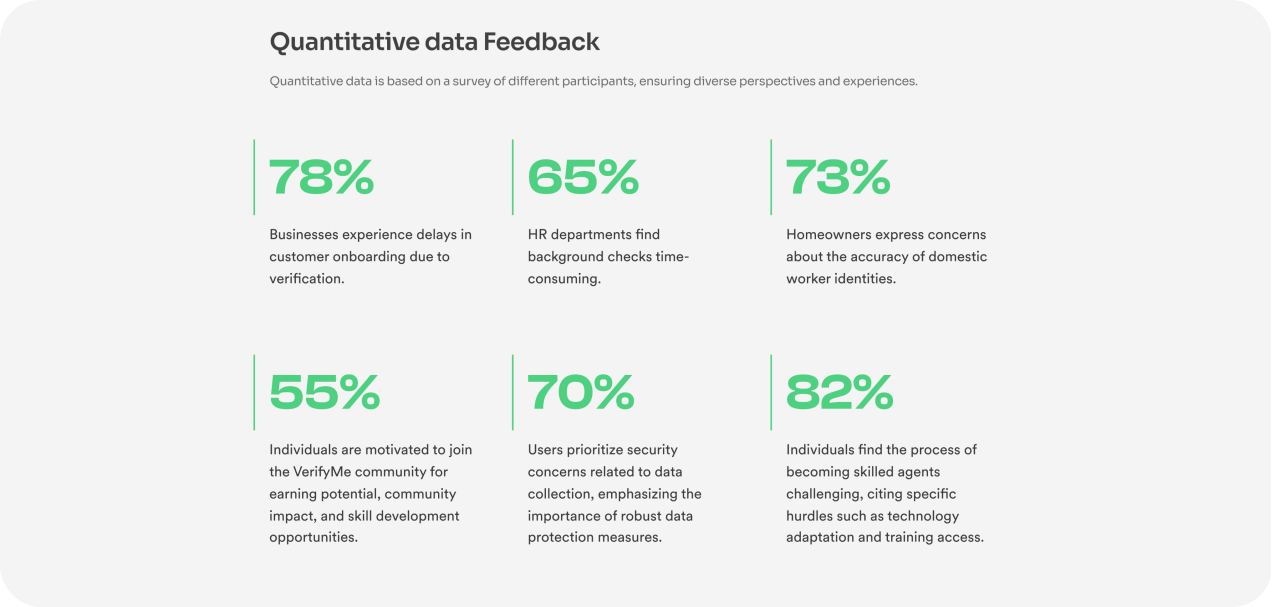
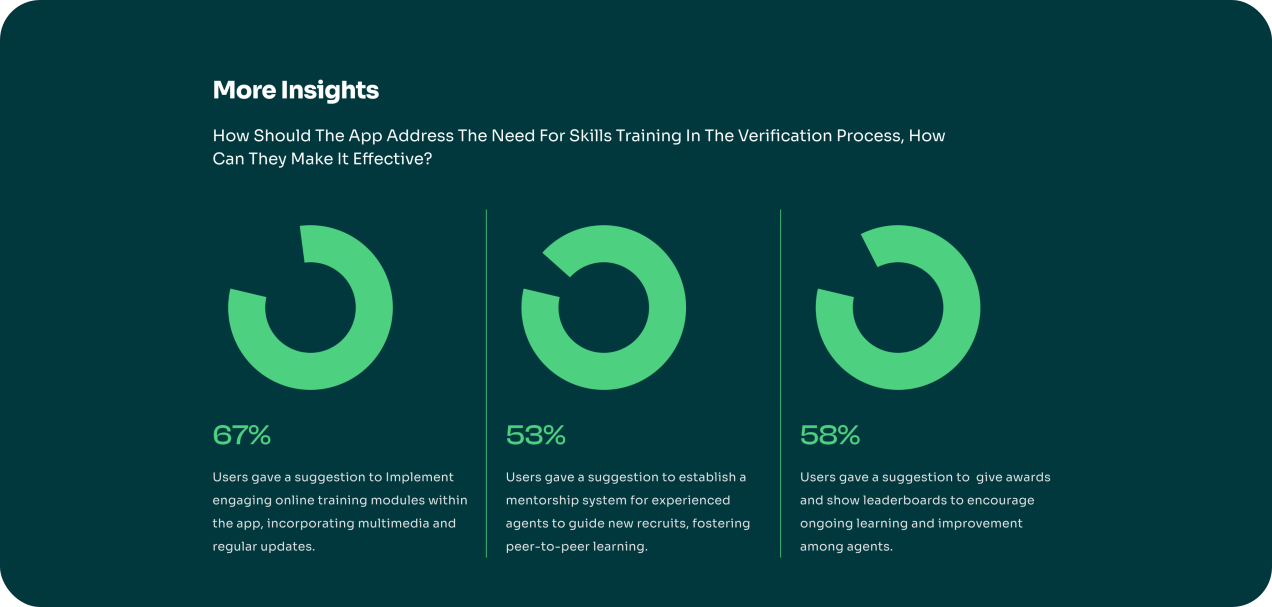
Problems Identified from Research
Barriers to Agent Readiness
Agents encounter early obstacles—struggling to adapt to digital tools and lacking access to structured, hands-on training that builds confidence and field competence.
Concerns Around Data Security
Users consistently question the safety of identity data—and want clarity over how sensitive information is captured, stored, and transmitted.
UX Improvements Needed
The verification workflow is unclear, task flows feel disjointed, and agents demand better in-field support whenever issues surface.
Solutions Offered
Comprehensive Training Programs
Introduced structured, in-app training modules to help aspiring agents overcome tech barriers and build field-ready skills while ensuring confidence from day one.
Building Trust Through Data Protection
Reinforced end-to-end security protocols and transparent communication practices to address user concerns around data safety and foster long-term trust.
Continuous App Feature Enhancements
Committed to continuous feature refinement driven by user feedback, enhancing clarity, speed, and reliability across the agent experience.

“How might we simplify the identity verification process so that individuals can complete it quickly and securely without repeated steps?”
Wireframes
By keeping the design at a basic level, the focus remains on essential functionality and user flow. This phase helped in identifying and addressing core usability issues without getting distracted by aesthetic details.
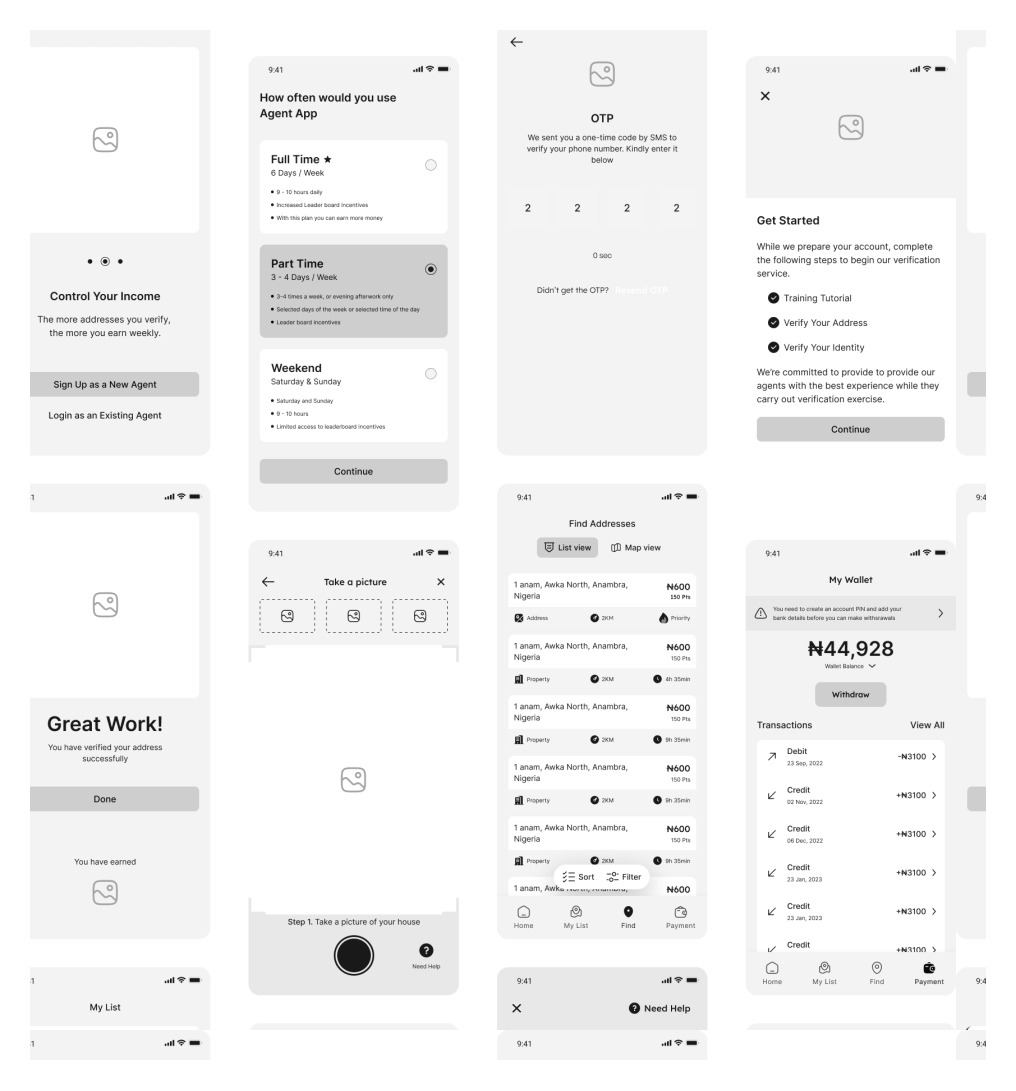
Low-Fidelity Wireframes: Initial Concepts and Layout Explorations
UI Design
The polished UI screens reflected our core values
After a lot of ideation and many strategy sessions, my teammate and I designed and prototyped the screens
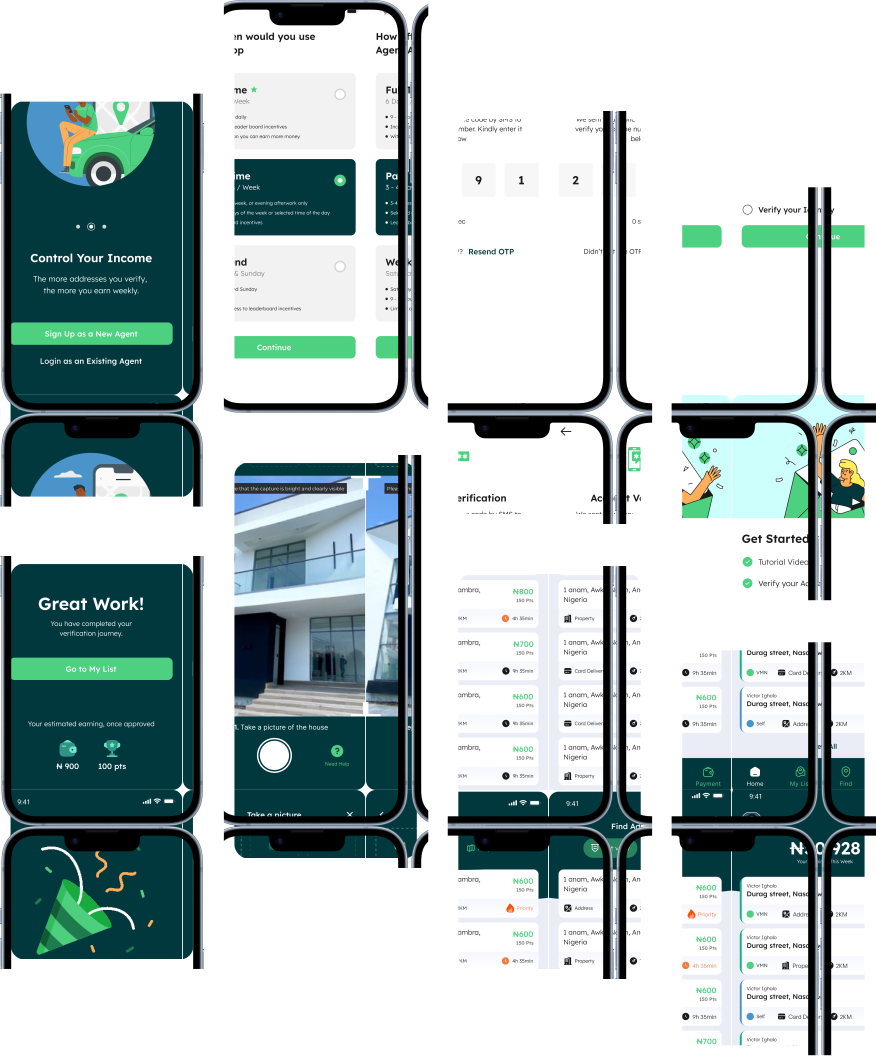
A preview of selected UI screens, including onboarding and the home screen
Usability Testing
To evaluate the intuitiveness of Gova's prototype, we conducted remote usability tests with eight participants representing our target user groups. Each participant was asked to complete core tasks:
- Sign up
- Log in
- Initiate and complete a verification
- Submit feedback through the app
We encouraged participants to think aloud throughout the process, sharing their impressions, hesitations, and expectations in real time. This approach surfaced valuable insights—ranging from navigation clarity to trust signals—allowing us to identify friction points and refine the experience.
The feedback gathered was instrumental in shaping product improvements, reinforcing our commitment to a user-first design philosophy.
Usability Test Data
The feedback from our usability testing sessions was instrumental in refining our designs and improving the overall user experience. We incorporated these valuable insights into the design process to drive further enhancements.
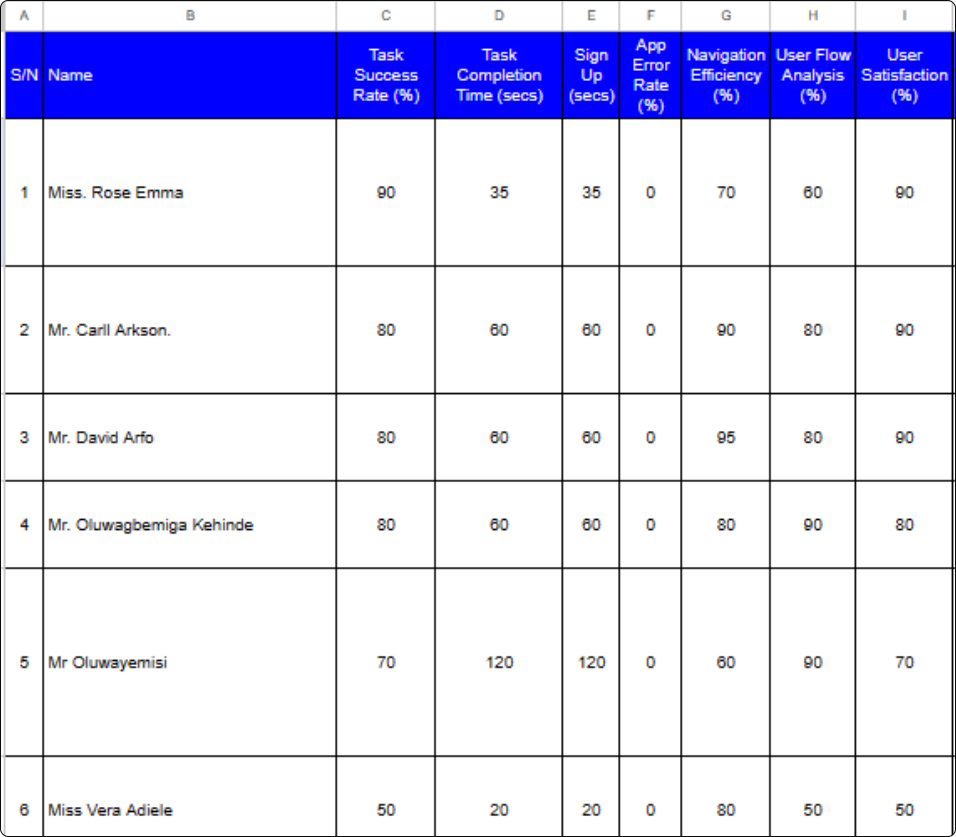
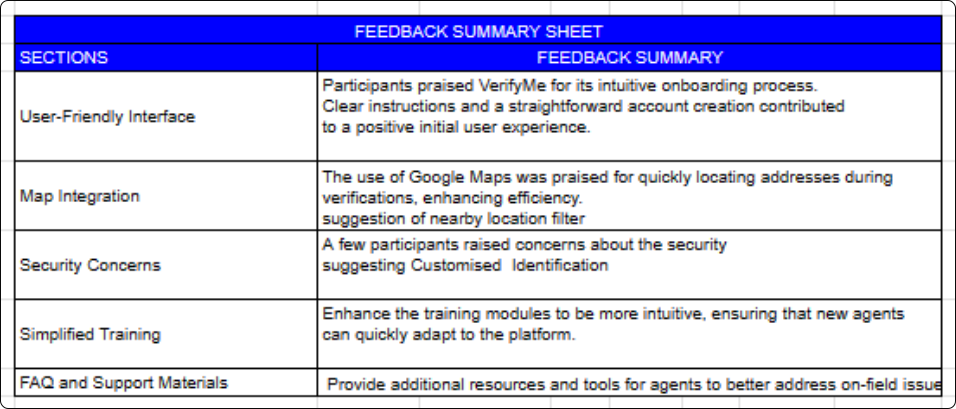
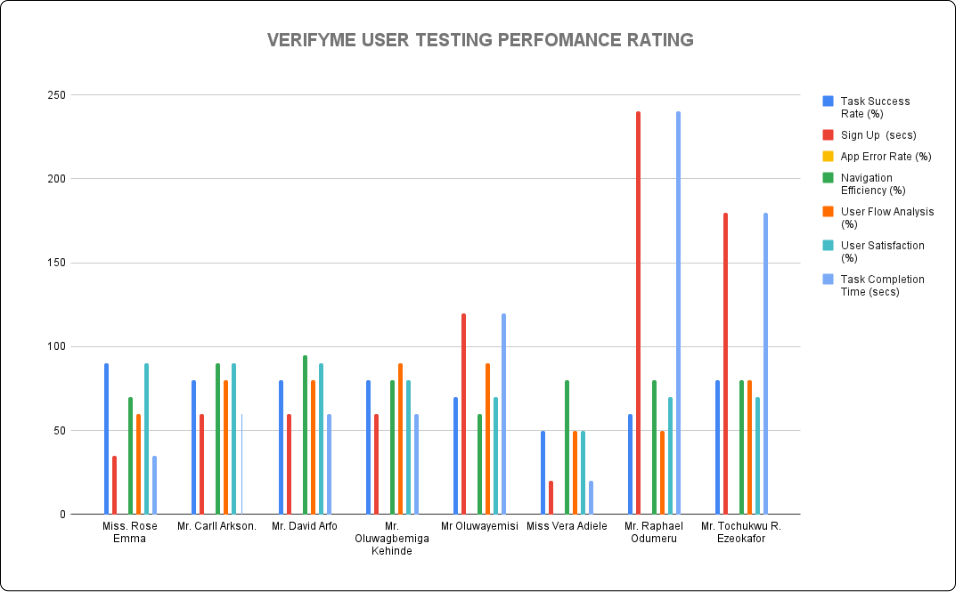
Evaluating User Experience: Usability Results from the Gova App
Key Insights
1. User-friendly Interface
People valued clear instructions and wanted that same clarity applied to complex verification steps.
2. Security Concerns
Agents entering unfamiliar areas asked for better identification and safety guidance.
3. Enhanced Filtering
A nearby-location filter created safety + financial benefits by limiting travel distance.
Improvements
After conducting usability testing, we pinpointed areas for improvement in our screens. Subsequent enhancements were implemented, covering the home page, login page, and filter.
By incorporating valuable feedback, we've created before-and-after views to illustrate the positive changes made for an improved user experience.
Before
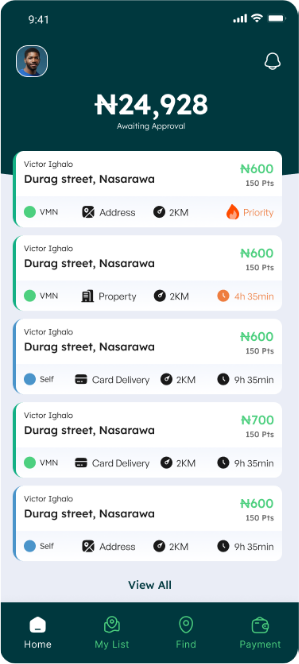
Users requested an average kilometers (km) feature to provide more personalized, location-based insights.
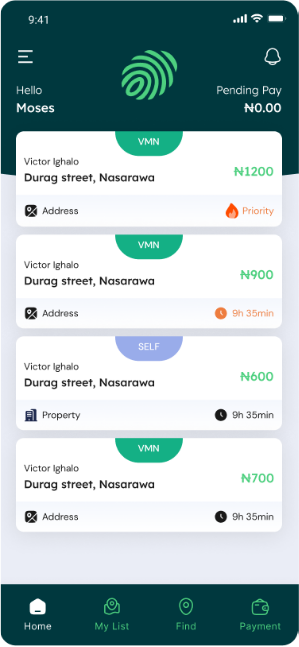
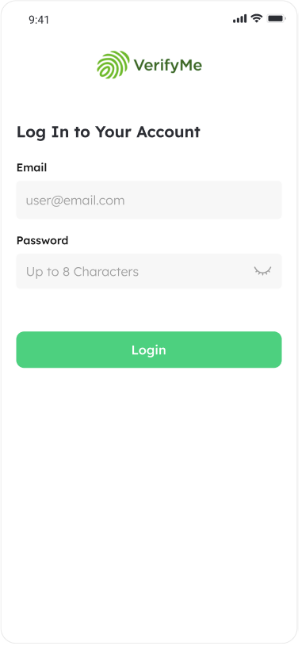
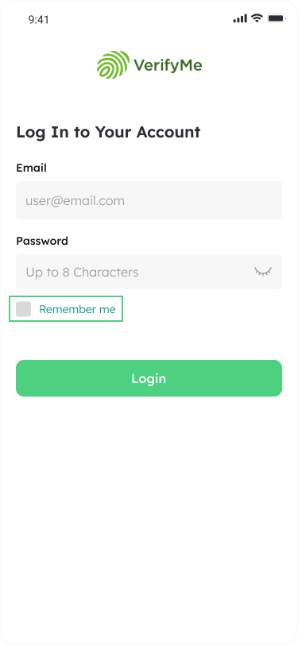
Users requested a 'Remember Me' option to save login credentials and reduce repeated logins.
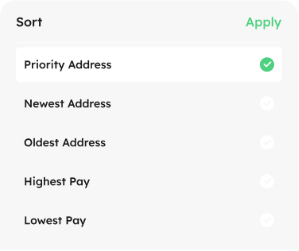
Consider adding a nearby location filter to help users quickly find results based on proximity.
This was the original design state prior to implementing any user feedback or improvements
After
We incorporated a specific kilometers (km) feature to enhance personalization and provide users with more precise, location-specific information.
We added a 'Remember Me' feature on the login screen, allowing users to stay signed in without re-entering their credentials on each visit.
We implemented a nearby location filter, enabling users to quickly discover relevant results based on their proximity.
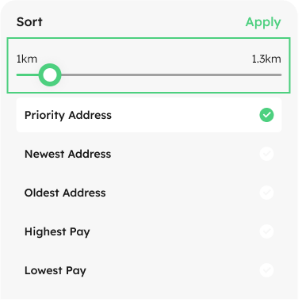
An improved Version of the gova app.
Learnings + Takeaways
Want to read more?
Contact Samuel to unlock the full case study and learn more about this project.
Contact SamuelEnter Password to View
This case study is password protected. Enter the password to unlock the full content.
Don't have the password? Contact Samuel
Next Project